When something goes wrong, protect your safety and ability to communicate before trying to keep the day’s schedule. Property staff can help identify local contacts, but they do not replace police, medical services or your insurer.
Lost wallet or phone
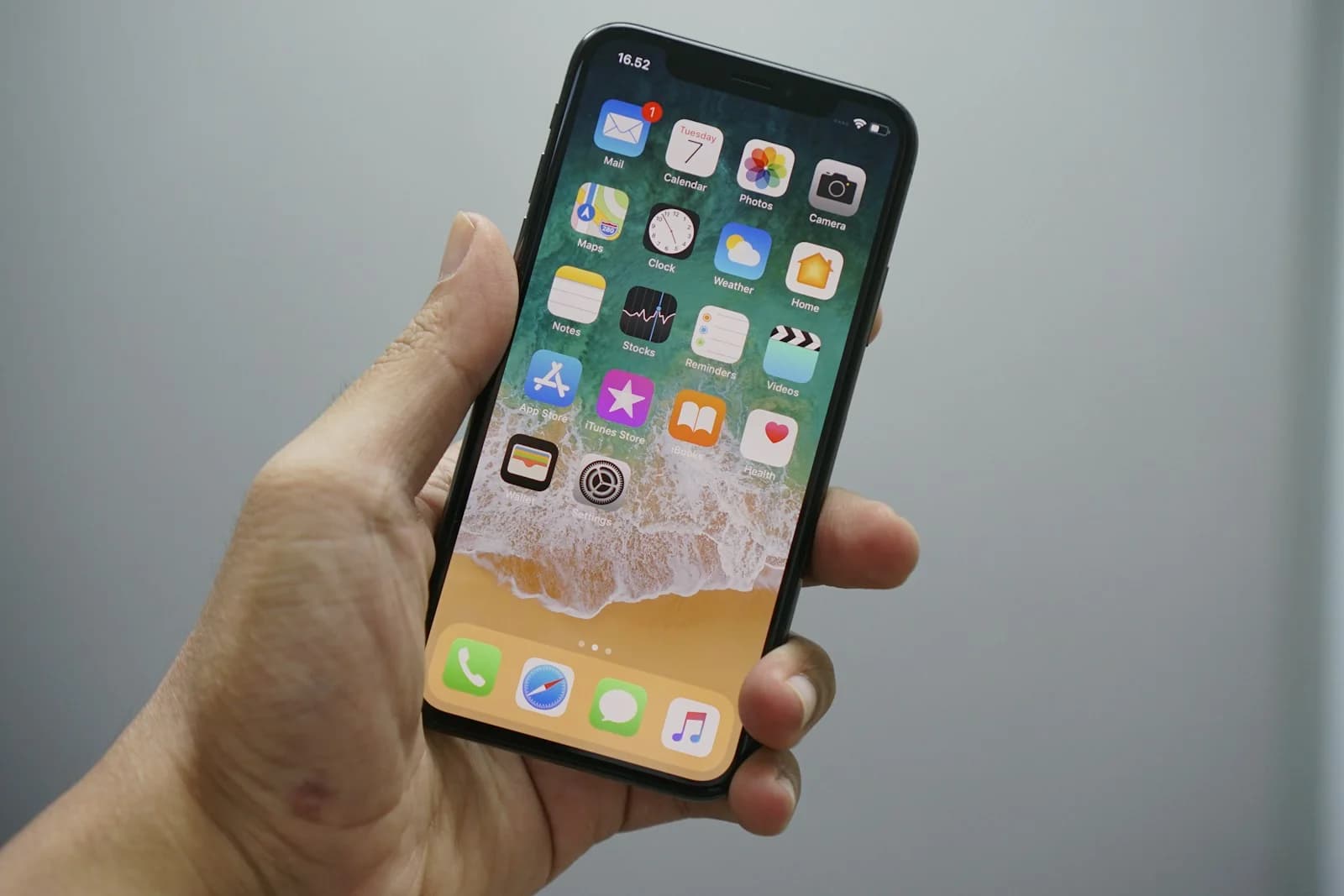
Contact the last venue or ride provider through a safe channel. Freeze cards and activate the phone’s lost-device tools through official bank and device-provider services. Log out after using someone else’s phone. If theft is suspected, avoid confrontation; ask about a police report and the documents your insurer requires.
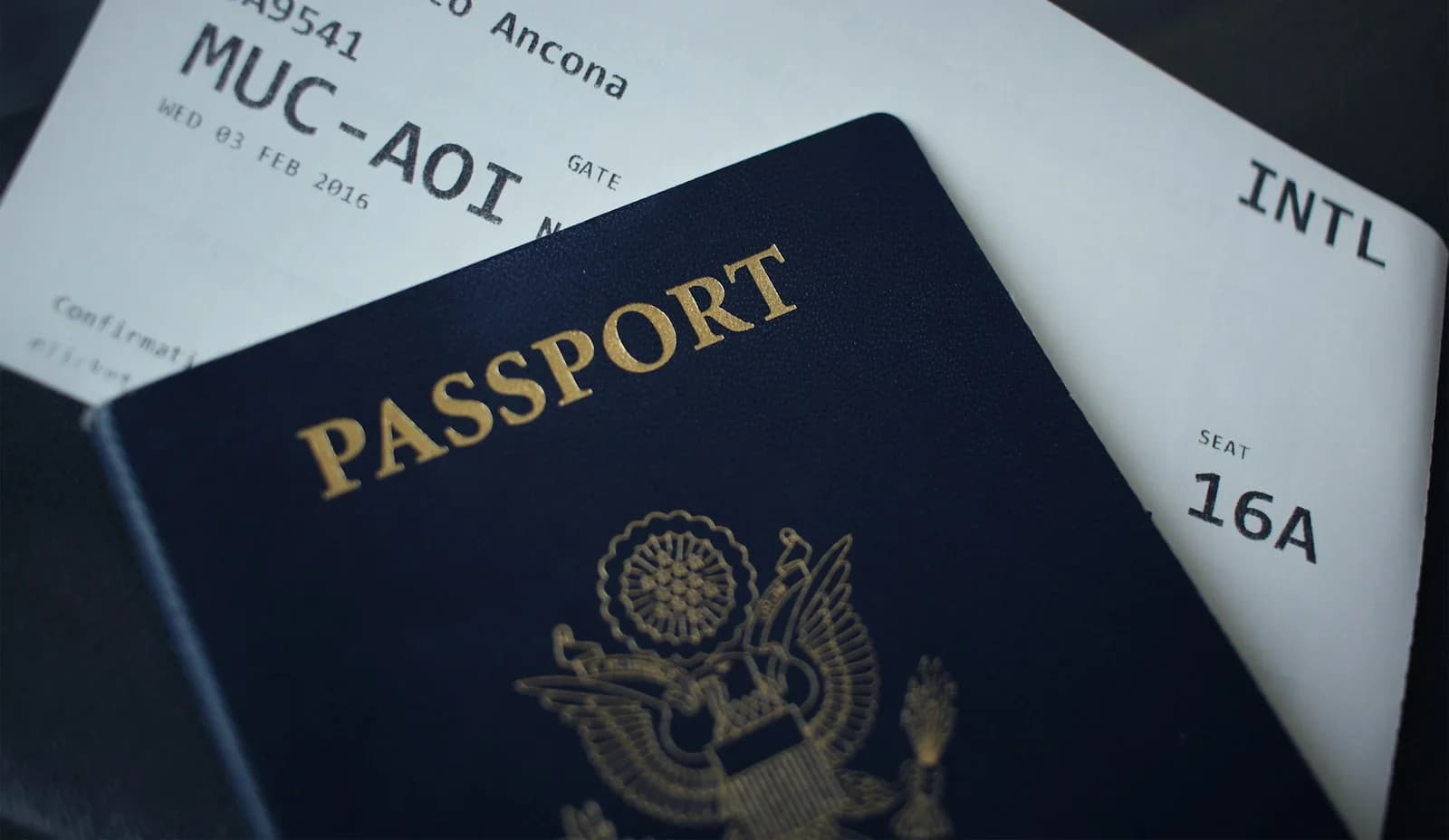
For a lost passport, contact your own embassy or consulate. Emergency travel-document procedures depend on nationality.
A ride does not match the booking
Compare the driver and registration before boarding. If asked to change vehicles or payment arrangements, verify the change with the app or original provider first. Keep screenshots and move away from traffic rather than negotiating in the road.
Illness interrupts the trip
Stop the activity and seek medical advice when needed. For urgent symptoms such as breathing difficulty or loss of consciousness, ask for emergency help immediately rather than waiting for an insurer to reply. Keep insurance contacts, medication details and allergies accessible.
Prepare a small recovery kit
Separate payment backups, save assistance contacts offline and keep the accommodation address somewhere other than your phone. Follow local road and beach warnings. Check your own government’s travel advice before departure. Australia’s Indonesia advisory is also a useful risk reference, but nationality-specific rules require your own authorities’ guidance.